01 / REVIEW
Map exposure
Record shade, spray, rain, drainage patterns and likely debris. Use site observations and the proposed landscape design rather than an assumed condition based on the material name.
02 / REVIEW
Define the observation plan
Ask the project team which wet and contaminated conditions should be included in mockup and operational review. Record who evaluates results and which acceptance basis applies. Do not infer a safe surface from appearance.
03 / REVIEW
Connect maintenance
List how the owner will inspect and address debris, biological growth or surface changes. Keep cleaning-product compatibility and environmental discharge requirements in the operations review.
Describe how the surface becomes wet
Rain, spray, flooding, condensation and cleaning can produce different operating conditions. So can shade, leaf accumulation and the time available for drying. Mark persistent wet areas separately from areas that receive occasional rain and dry quickly. Include low points and interfaces where water or debris collects.
The objective is to define the exposure that the surface and maintenance plan must address. “Suitable outdoors” does not answer every wet-use question. Neither does a photograph of water beading on a new board.
Read a test result as a test result
If a supplier provides slip-related testing, obtain the method, specimen condition, orientation and reported result. Determine whether the tested surface matches the proposed product and finish. A dry result does not describe a wet test, and a new sample may not describe a surface after wear, contamination or maintenance.
Scroll sideways to read all columns. Keyboard: focus the table and use the arrow keys.
| Evidence item | Question for the review |
|---|---|
| Test method | What did the method measure and under which conditions? |
| Product identification | Does the specimen match the supplied surface and finish? |
| Wetting or contaminant | Does it represent the condition being discussed? |
| Direction and texture | Was the relevant travel direction considered? |
| Age and maintenance | What does the result leave unanswered about service conditions? |
Do not turn a single value into a promise that people cannot slip. Establish the project's acceptance criteria with the responsible team and use product evidence within its stated limits. An informal walk on a sample is useful for discussing feel, but it is not a substitute for a specified test.
Connect the material choice to operations
Plan how leaves, sediment and other deposits will be removed, how drainage paths will remain open and how damaged areas will be isolated. Identify the equipment and access available to the maintenance team. A cleaning method that cannot be performed without prolonged route closure may be a poor operational fit even if the surface is otherwise acceptable.
Review a representative mockup that includes a joint, edge and transition rather than a single clean board. Observe how those details hold water or debris. Record the conditions and limitations of the observation so it does not become an unsupported performance claim later.
Use the inspection log to compare repeat observations at the same locations. A change in condition is more useful when tied to weather, cleaning or a drainage issue than when recorded only as “slippery.” The review should produce actions and responsibilities, not just a preferred material name.
A public-route planning scenario
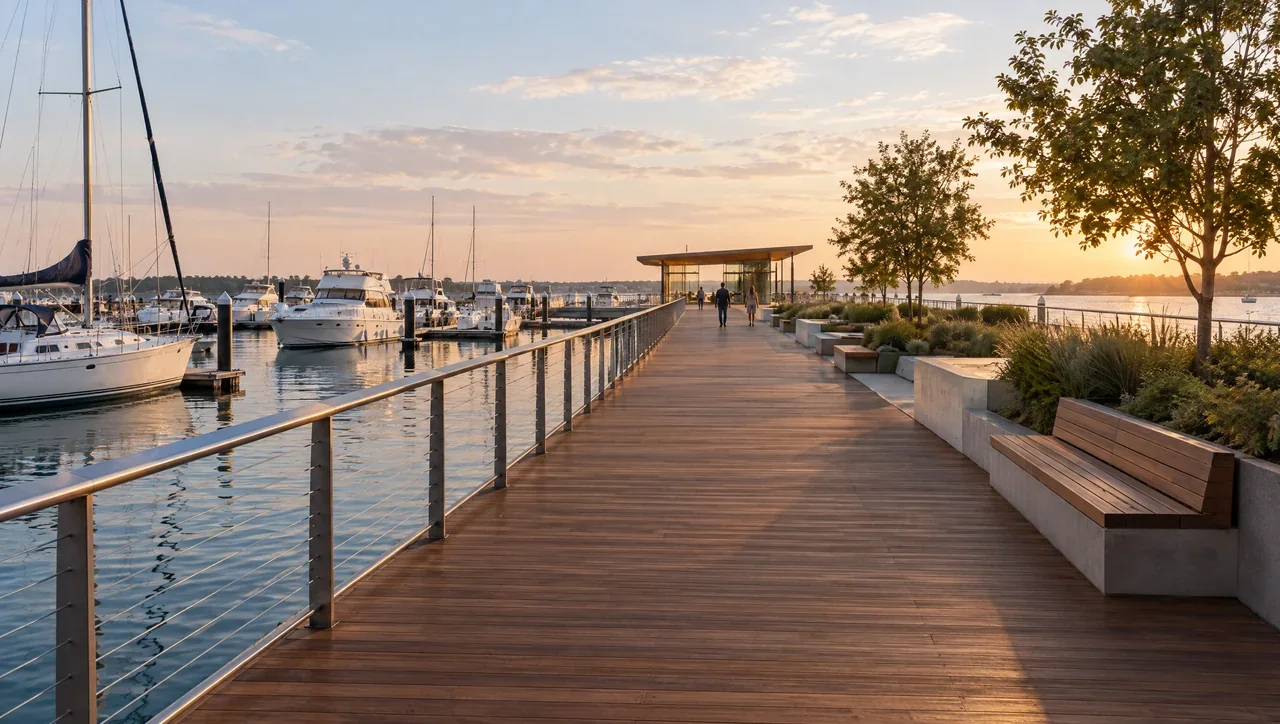
Concept example: a shaded bend receives leaf litter while the open approach dries quickly. The team records two exposure zones and avoids using one dry mockup photograph as evidence for both.
Use the result
Keep the completed review with the relevant project record. Assign unresolved items before relying on a conclusion. If the material, condition or document changes, revisit the affected questions.
Boardwalk plannerTechnical references
General background for the subject. Project worksheets and fictional situations are original review aids, not official agency forms.
Access Board: floor and ground surfaces